
Ftth Networks
Search results for fiber optic patch cords, single mode and multimode designs, connector types, FTTH, transceivers, WDM, installation and testing.
-
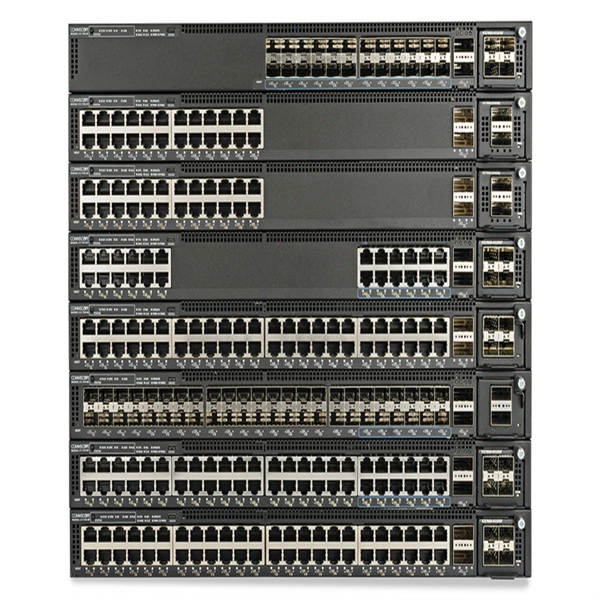
Anti-tracking DC power supply for metropolitan area networks
This article presents a scalable and stackable –48 V DC PoL solution that will address the high density power usage situations created by these high density networks from the tremendous growth in network traffic. Telecom and wireless network systems typically operate on. The design of electrical system as a whole is based on providing safe, reliable & stable power and efficient performance of electrical system. Redundancy feature will have to be built at each level of power distribution The most widely used voltage level for Metro Rail traction system globally is. critical global issues impacting urban mobility to varying degrees. Public transport systems, with its hi h capacity, are set to remain the transport backbone of urban areas. It must be safe, economical and user friendly. It can use either DC (direct current) or AC (alternating current), the former being, for many years, simpler for railway traction purposes, the latter. Demand for mobile data is growing at a steep rate as new markets and applications continue to emerge. There are no other solutions than to deploy additional cellular sites in greater density.
[PDF Version]
-
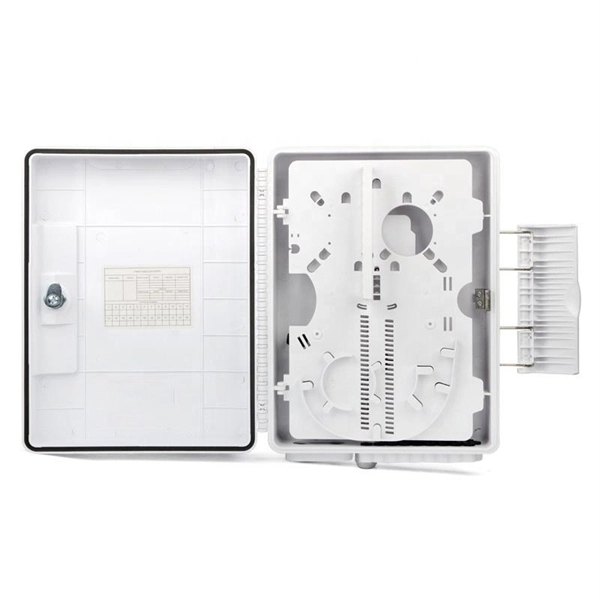
Can a fiber optic splitter be used for gigabit networks
Gigabit Passive Optical Networks (GPON) have revolutionized fiber-optic broadband by offering high-speed connectivity to multiple users over a single fiber. A key component enabling this efficiency is the optical splitter, which divides the optical signal to serve. In the backbone of modern Fiber-to-the-Home (FTTH) networks, optical splitters serve as the unsung heroes that enable cost-efficient connectivity for millions of subscribers. By dividing a single optical signal from a central Optical Line Terminal (OLT) into multiple outputs for Optical Network. A fiber optic splitter is a passive device that divides one optical input into multiple outputs. They are ideal for large-scale deployments such as.
-
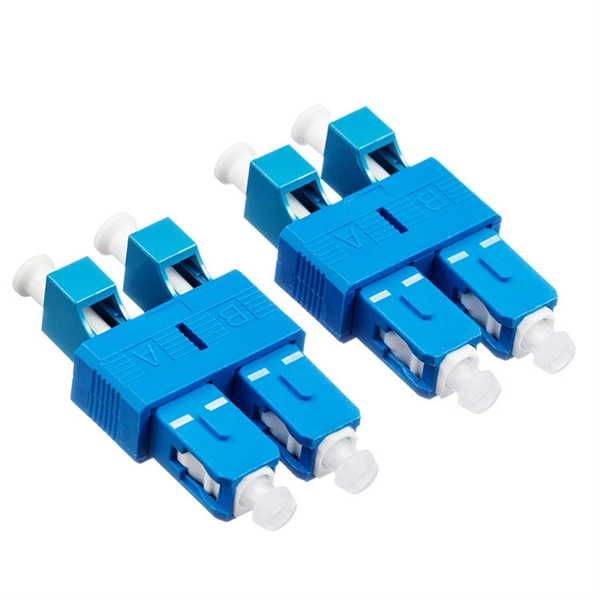
Fiber Optic Communication and Optical Transmission Networks
Optical Fiber Communication (OFC) revolutionizes modern telecommunications, enabling rapid data transfer across long distances with minimal signal loss. This comprehensive review explores OFC's historical evolution, core principles, components, and versatile applications. Fiber-optic communication is a form of optical communication for transmitting information from one place to another by sending pulses of infrared or visible light through an optical fiber. The light is a form of carrier wave that is modulated to carry information. Optical switching is an innovative technology poised to. Fiber optics is also the basis of the fiberscopes used in examining internal parts of the body (endoscopy) or inspecting the interiors of manufactured structural products. Serial HIPPI standard introduced, fiber at 1. Introduction of Optical Channel (OC) layer by the ITU.
[PDF Version]
-
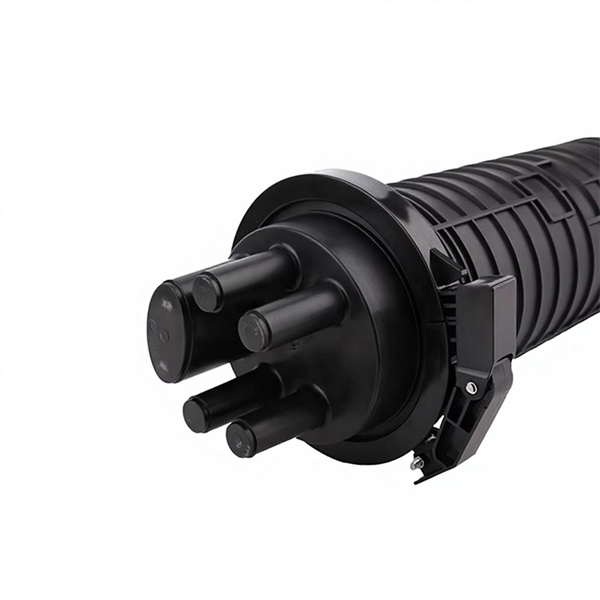
PON equipment used in GPON networks
GPON uses passive optical network (PON) is a access in which a single optical fiber from a central location is shared by multiple end users through one or more in series (cascaded). Unlike traditional fiber connections, PON systems distribute optical signals from an (OLT) to many (ONUs) or (ONTs) without requiring active electronic equipment in the distribution network. The absenc. A PON takes advantage of (WDM), using one wavelength for downstream traffic and another for upstream traffic on a (ITU-T, typically OS2). BPON, EPON, GEPON, and have the same basic wavelength plan and use the 1490 nanometer (nm) wavelength for downstream traffic and 1310 nm wavelength for upstream traffic. 1550 nm is reserved for optional overlay services, typically RF (analog) video.
[PDF Version]
Fiber Optic Patch Cord Network Updates
- France bulk purchases 800G optical modules and 10G
- Jamaican Tail Fiber Channel Manufacturer Direct Sales Point
- Fiber distribution box for fiber skipping
- Elevation of Trapezoidal Cable Tray
- Application of Italian 6-core smart building optical cable
- MPO jumper wire tail sleeve
- North Asia Telecom Dedicated Indoor Optical Cable
- Fiber Optic Distribution Box Rack
- Price of Intelligent Optical Isolators for Surveillance in Afghanistan
- Single-mode optical cable is priced according to information
- What are some quick methods for replacing optical splitters
- Home Use Fiber Optic End Face Inspection Instrument
- Cable tray and wire ratio
- Laying cables on outdoor ladder-type cable trays
- Which manufacturer should you choose for fiber optic cable wells
- Box-type beam splitter brands