
Fiber Optic Patch Cord Planning, Installation and Test Guides
Use these starting points to connect patch cord specifications with real network decisions.
Start with the Question You Need to Answer
Each topic opens a dynamic article route backed by the existing database and routing logic.
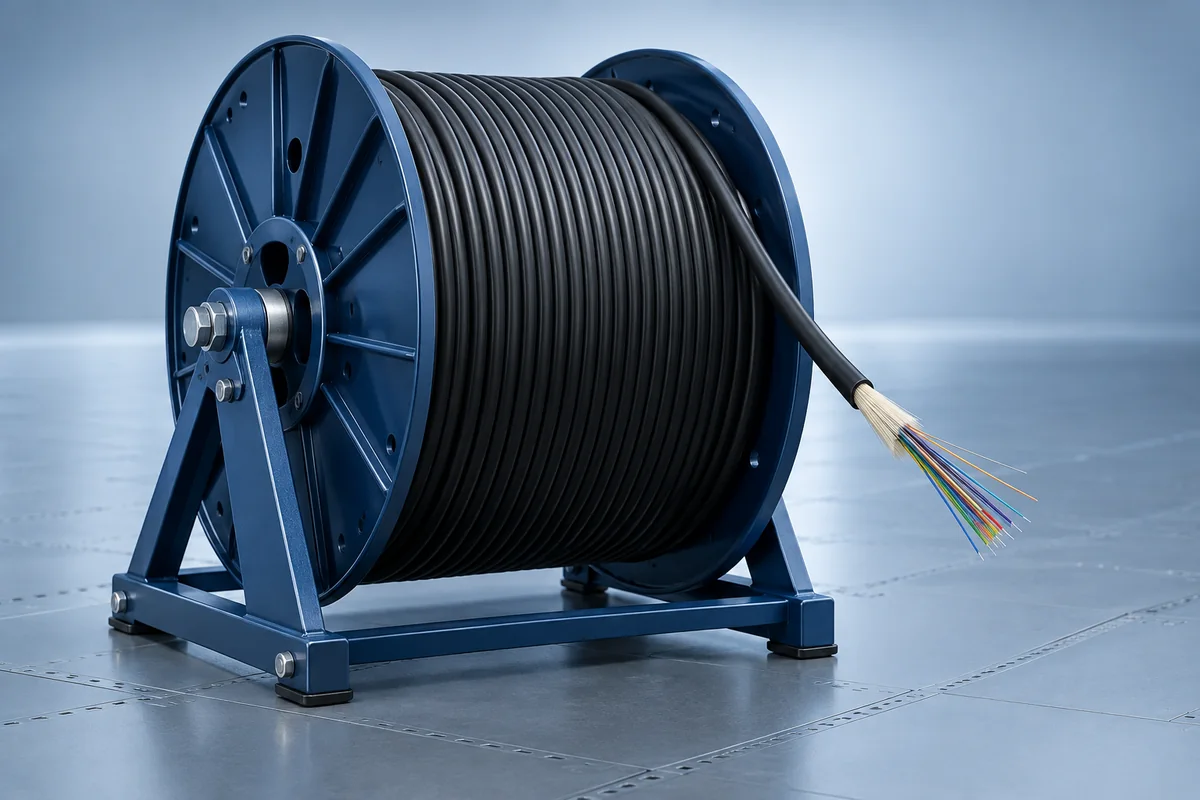
How to Select a Fiber Optic Patch Cord
Compare connector type, fiber grade, polish, jacket, length and loss requirements.
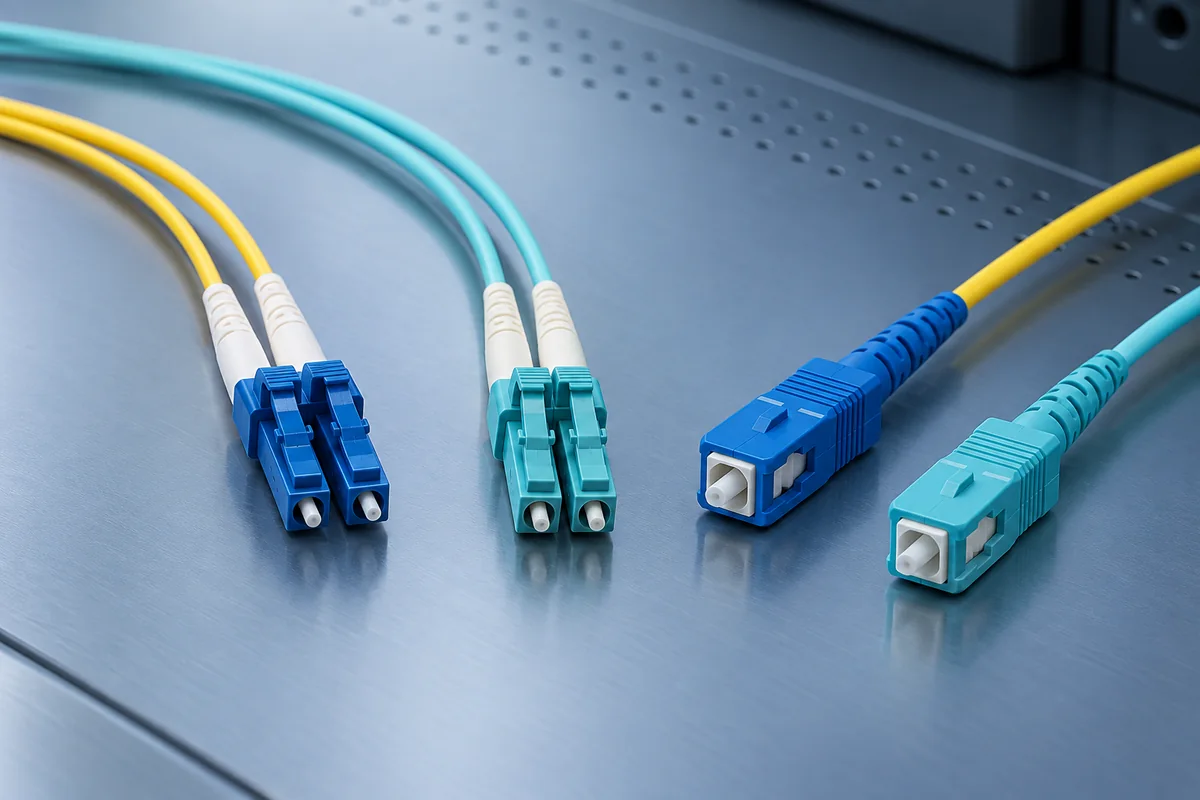
Single Mode Patch Cords for Long Reach
Understand OS2 fiber, UPC/APC polish and low-loss links for carrier and campus networks.
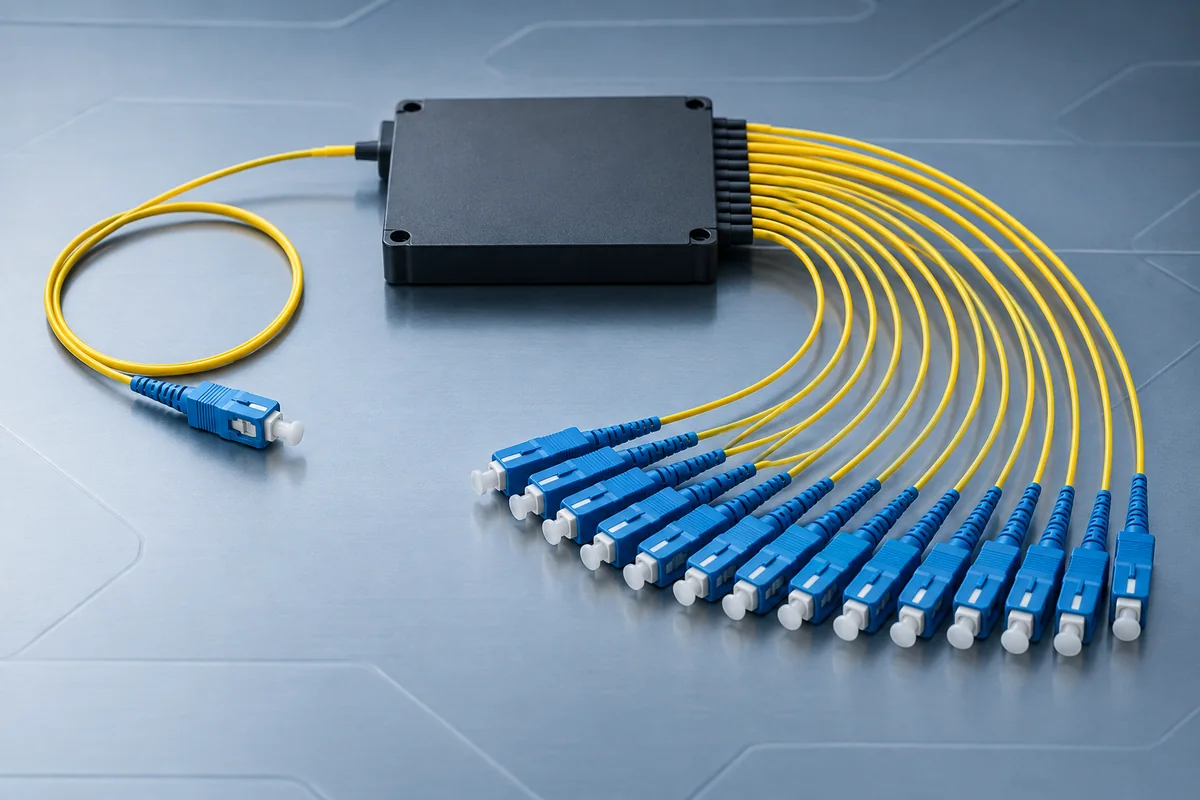
Multimode Patch Cords for Data Centres
Relate OM3, OM4 and OM5 grades to distance, loss budget and transceiver type.
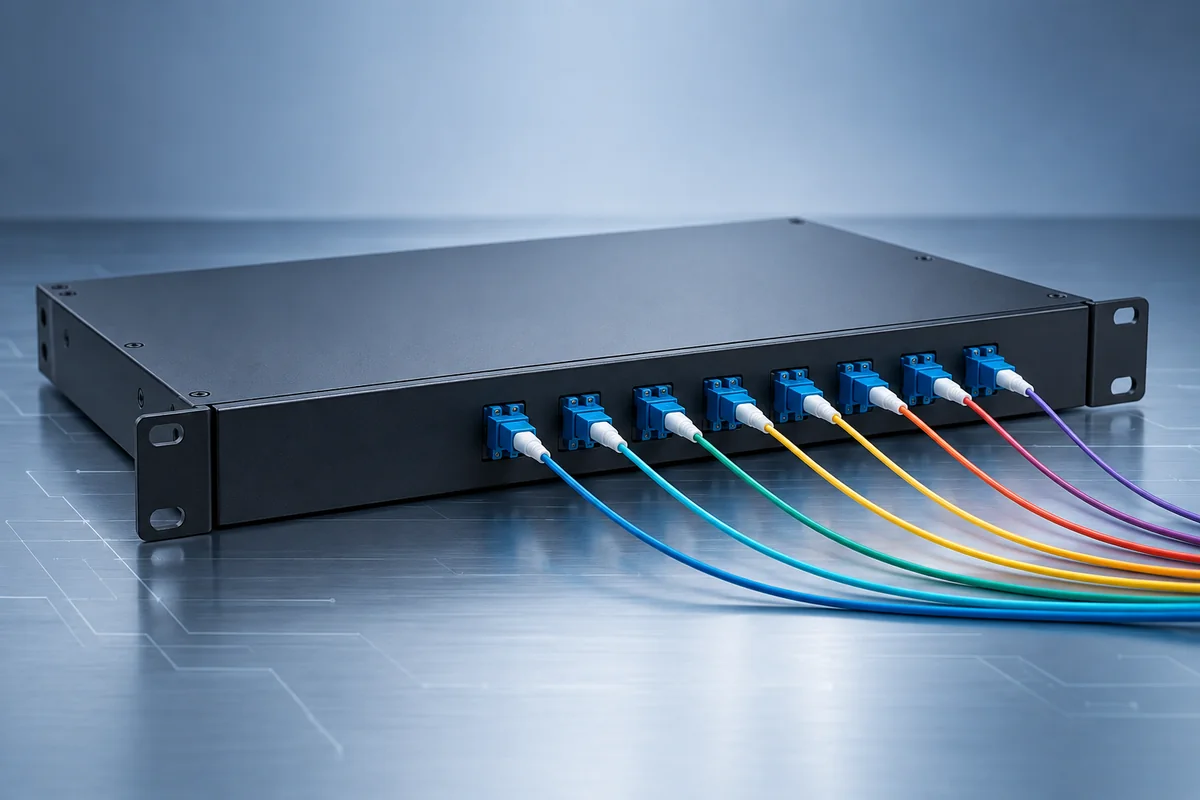
MPO and MTP Polarity and Array Basics
Review fiber count, polarity methods, key orientation and parallel optics.
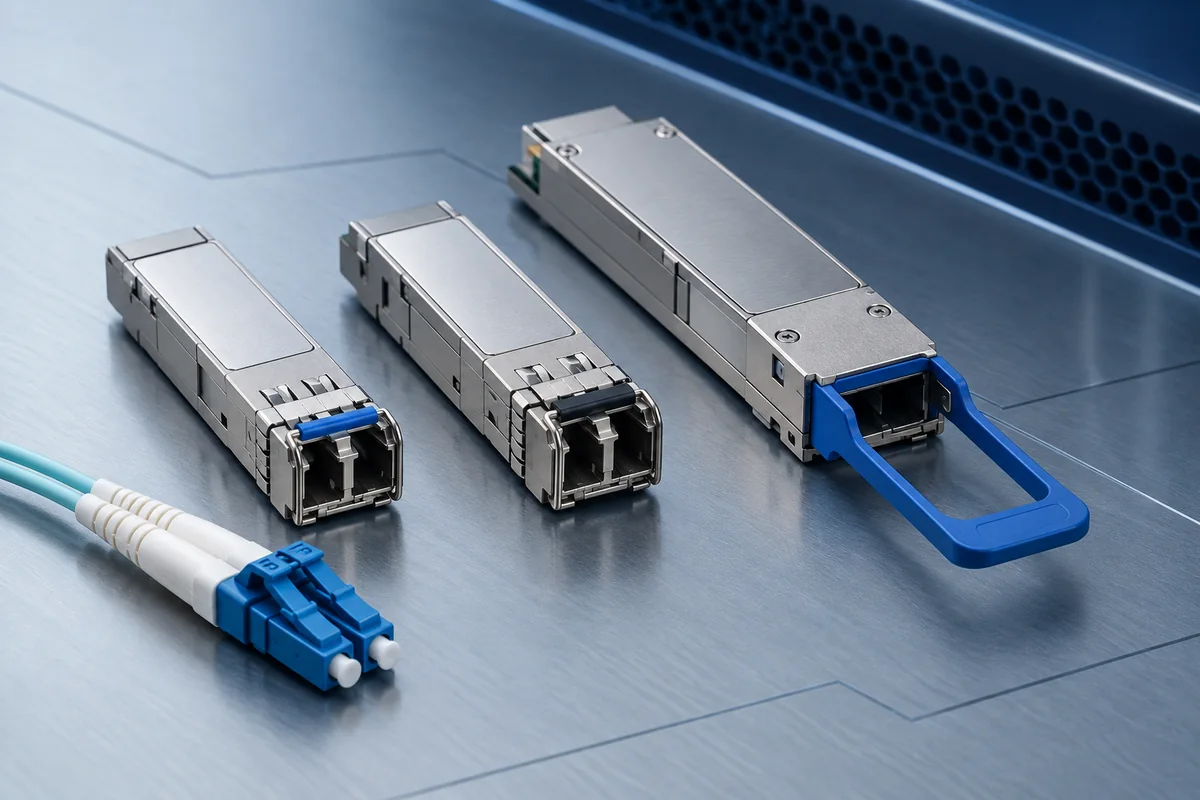
Outdoor Waterproof Patch Cord Selection
Match sealing, jacket material, tensile limits and connector protection to the route.
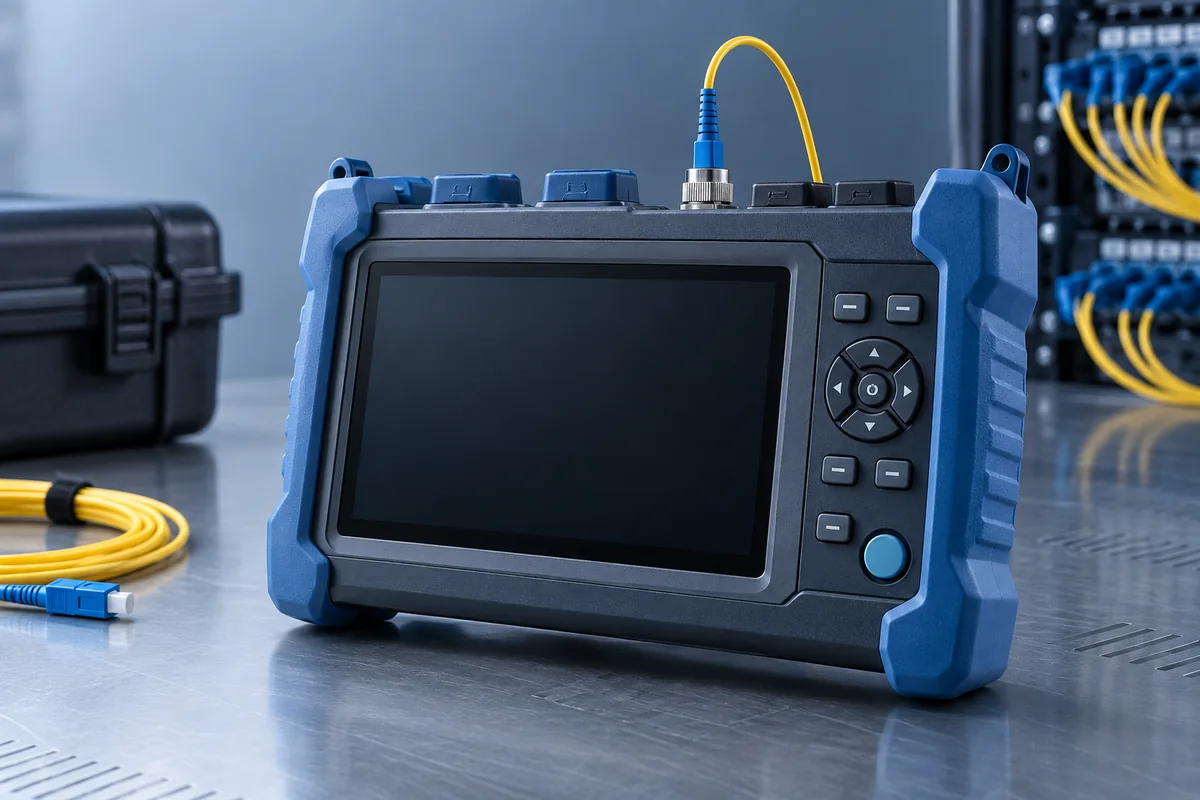
Insertion-Loss and OTDR Testing
Choose the measurement that answers the acceptance or troubleshooting question.
Fiber Optic Patch Cord Quick Reference
Short answers point to the variables that should be checked in more detail.
What is the difference between a fiber optic patch cord and a pigtail?
A patch cord carries a connector on both ends and joins two ports. A pigtail carries a connector on one end only, with bare fiber on the other end for splicing.
When should single mode patch cords be used instead of multimode?
Choose OS2 single mode patch cords for long reach, low loss and future capacity. Choose OM3, OM4 or OM5 multimode patch cords for short in-building and data centre links where the transceiver is matched to multimode fiber.
How do you choose between SC, LC, FC and ST patch cords?
Follow the equipment port and the panel. LC suits high-density panels and SFP or QSFP ports, SC remains common on distribution frames, FC is threaded and used on test gear, and ST is a bayonet fit found on legacy frames.
Where are outdoor waterproof patch cords used?
Outdoor waterproof patch cords are used on wet, sprayed or fully exposed links such as towers, pole-mounted enclosures, outdoor cabinets and subscriber drop entries.
What is the difference between MPO and MTP patch cords?
MPO is the multi-fiber push-on interface standard. MTP is a compatible connector that uses the same footprint but a refined housing for better optical performance.
Does an OTDR replace insertion-loss testing?
Not generally. An OTDR helps locate and characterize events along a route; end-to-end loss testing measures channel insertion loss. Project requirements determine which records are needed.
Describe the connector and the decision you are making
Connector type, fiber grade, polish, environment, wavelength and topology help focus the discussion.