
Fiber Optic Cables
Search results for fiber optic patch cords, single mode and multimode designs, connector types, FTTH, transceivers, WDM, installation and testing.
-
Fiber optic cables utilize electrical cables
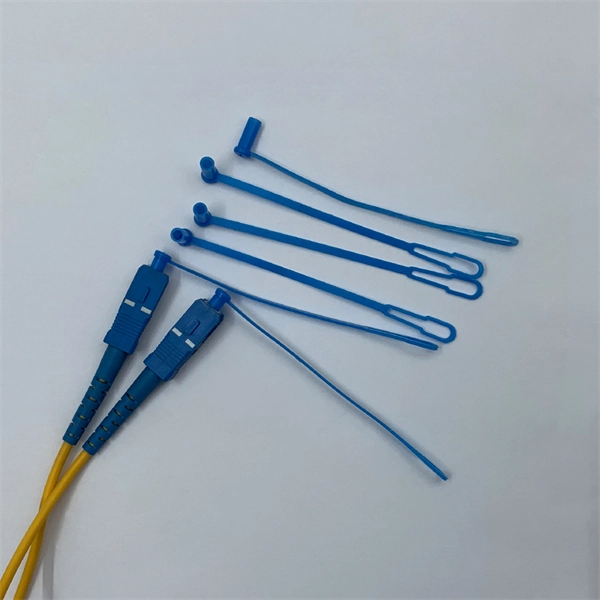
Fiber optic cables transmit data by utilizing light pulses to represent binary information (0s and 1s). A fiber-optic cable, also known as an optical-fiber cable, is an assembly similar to an electrical cable but containing one or more optical fibers that are used to carry light. The optical fiber elements are typically individually coated with plastic layers and contained in a protective tube. Fiber optics, as it is used in the electronics field, is the controlled transmission of light as a signal. The AM signal is converted to light and transmitted through the fiber-optic cable. For monitoring and managing networks, they use a variety of means of communications, including running fiber optic cables along the transmission and distribution towers, radio links and contracting landline and cellular communications services from telecom carriers. This method offers significantly higher bandwidth and lower signal.
[PDF Version]
-
What color should be used for splicing 144 fiber optic cables
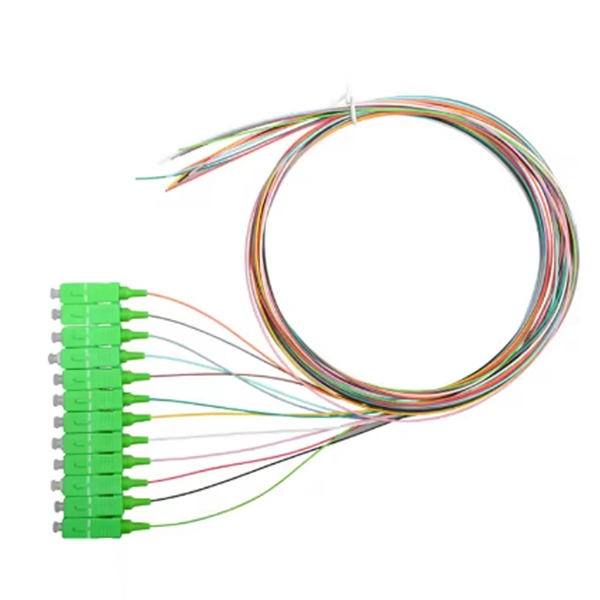
The standard multimode OM1/OM2 fiber patch cords are typically colored in beige or black, while OM3 and OM4 are aqua and magenta, respectively. By adopting the TIA/EIA‑598C standard, you gain a universal “language” of colors that speeds identification, reduces miswiring, and enhances safety across cable jackets, connectors, buffer tubes, and splice trays. This is crucial for splicing and patching., 24, 48, 144), the sequence repeats. The colors of the buffer tubes and likewise the fibers in the tubes provide the identification the tech needs to complete the splicing of the fibers as the. This comprehensive guide covers the complete TIA-598-C color coding standards, including fiber optic cable jackets identification, connector color coding schemes, and individual fiber strand markings that professional network installers rely on daily.
[PDF Version]
-
Tray for fiber optic cables
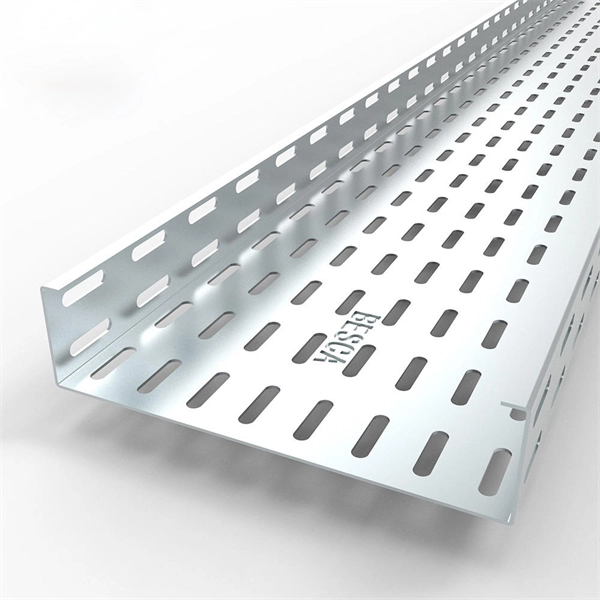
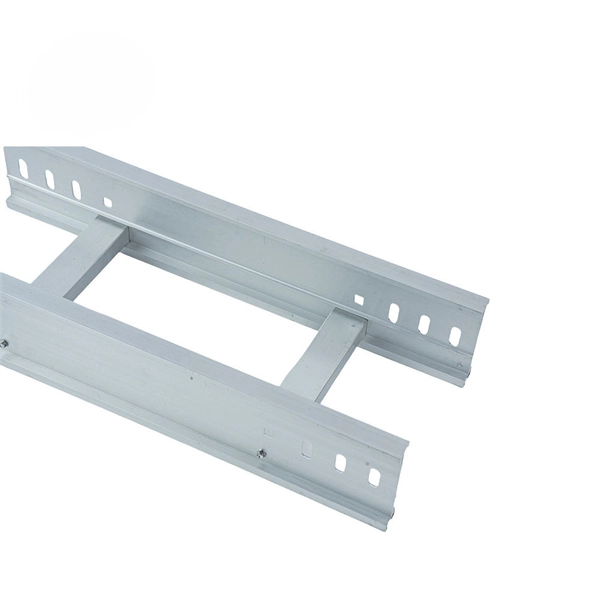
Cable tray is a raceway system designed to protect and route fiber optic patch cords, multi-fiber cable assemblies and intrafacility fiber cable to and from fiber splice enclosures, fiber distribution frames and fiber optic terminal devicesCable tray is a raceway system designed to protect and route fiber optic patch cords, multi-fiber cable assemblies and intrafacility fiber cable to and from fiber splice enclosures, fiber distribution frames and fiber optic terminal devicesOur Fiber Cable Tray System is a comprehensive raceway solution for data center, enterprise, central office, and mobile switching center applications. Designed to route and protect fiber optic and high-performance copper cabling to and from network cabinets, distribution frames, and other terminal. This halogen-free YellowDuct® has been specially developed for demanding fiber optic environments, such as data centers, hospitals, universities and telecom hubs. Let M-H advise you in the field of a fiber optic cable duct.
[PDF Version]
-
Do switches that accept Fiber optic cables need to be debugged
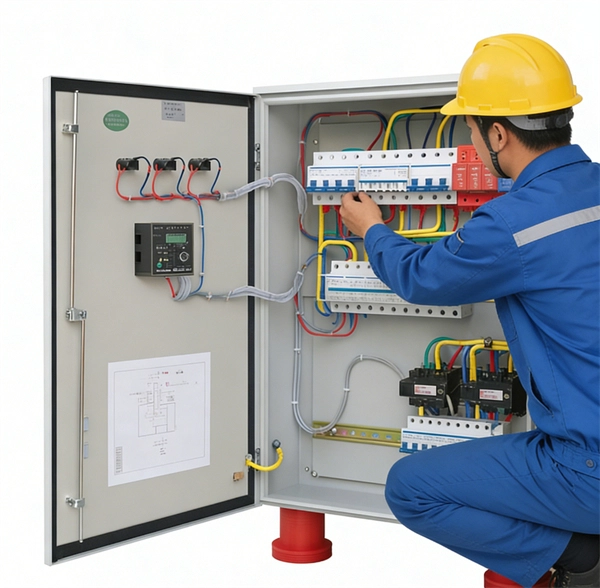
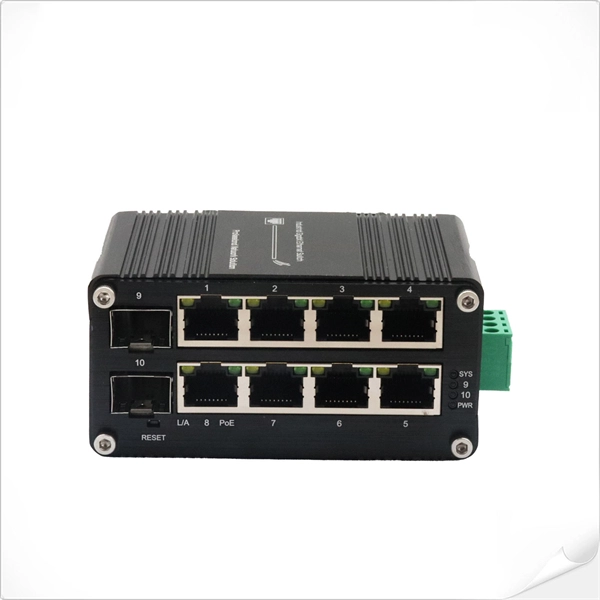
Testing fiber optic cables connected to a Cisco switch is a critical task to ensure network performance and reliability. This process involves a combination of physical inspections, using specialized testing equipment, and leveraging software tools to diagnose and resolve potential. This document describes how to troubleshoot fiber optic interfaces by addressing some of the fiber optic module and cabling specifications. There are no specific requirements for this document. Most modern fiber-enabled network switches require an SFP transceiver module. If you have multiple Ethernet switches that need to be connected over long distances, fiber is obviously a preferred choice. Moreover, when it comes to bandwidth, no currently available technology is better than single-mode fiber.
[PDF Version]
-
Which countries export fiber optic cables
Looking at both optical fiber and optical cable, China ranks first with an export share of 29. 6%, followed by the United States (12%) and Mexico (11%), which shows that technology is highly concentrated in economies with strong industrial bases. Cybex Exim brings you latest and updated Trade Intelligence report of Fiber optic cables Export Data from regular updated Export shipment data of All countries Customs. All countries Export data is compiled on regular basis from all countries ports. 5 billion verified shipment records across 203 countries to help exporters and importers identify new Fiber Optical Cable buyers and suppliers, discover profitable markets, and connect with reliable trade partners worldwide. The top 3 Buyer countries for fiber optic cables are “ CHINA ”, “ UKRAINE ”, “ UNITED STATES OF AMERICA ”,. 14K, 402,624,000 Kg), United States ($1,324,251. 17 billion (according to external trade statistics of 117 countries).
[PDF Version]
-
Why can fiber optic cables connect to the internet
is used by telecommunications companies to transmit telephone signals, Internet communication and cable television signals. It is also used in other industries, including medical, defense, government, industrial and commercial. In addition to serving the purposes of telecommunications, it is used as light guides, for imaging tools, lasers, hydrophones for seismic waves, SONAR, and as sensors to measure pressure and temperature.
[PDF Version]
Fiber Optic Patch Cord Network Updates
- France bulk purchases 800G optical modules and 10G
- Jamaican Tail Fiber Channel Manufacturer Direct Sales Point
- Fiber distribution box for fiber skipping
- Elevation of Trapezoidal Cable Tray
- Application of Italian 6-core smart building optical cable
- MPO jumper wire tail sleeve
- North Asia Telecom Dedicated Indoor Optical Cable
- Fiber Optic Distribution Box Rack
- Price of Intelligent Optical Isolators for Surveillance in Afghanistan
- Single-mode optical cable is priced according to information
- What are some quick methods for replacing optical splitters
- Home Use Fiber Optic End Face Inspection Instrument
- Cable tray and wire ratio
- Laying cables on outdoor ladder-type cable trays
- Which manufacturer should you choose for fiber optic cable wells
- Box-type beam splitter brands