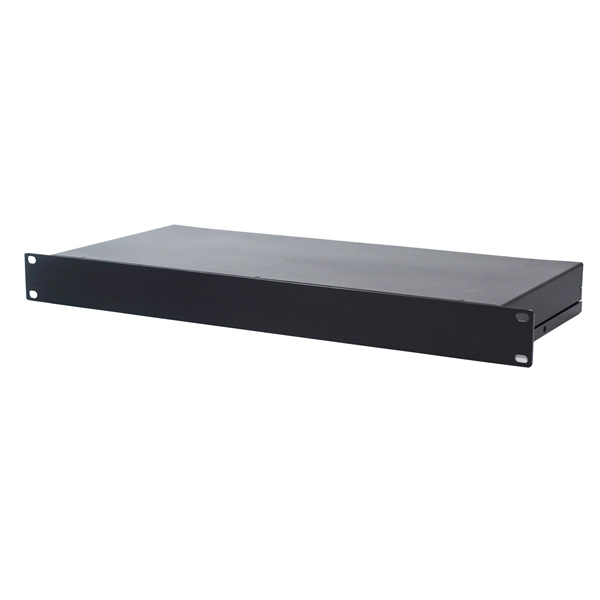
A PoE switch can transmit both data and electrical power over the same Ethernet cable, allowing PoE-capable devices to operate without separate power lines.How PoE Works on the Same Cable
Power over Ethernet (PoE) allows electrical power to be sent alongside data on standard Ethernet cables, such as Cat5e or Cat6, using either the same pairs as data (Mode A) or separate pairs (Mode B) for 10/100 Mbps networks, or all four pairs for higher power delivery (4PPoE) . The switch detects whether a connected device supports PoE and only supplies power if the device is compatible, preventing damage to non-PoE devices . This is known as an active PoE switch.
Mixing PoE and Non-PoE Devices
You can connect both PoE and non-PoE devices to the same PoE switch. Non-PoE devices will receive only data, while PoE devices receive both data and power . Passive PoE switches, which supply constant voltage regardless of device type, can damage non-PoE equipment, so active PoE switches are recommended for mixed environments.
Extending PoE to Non-PoE Devices
If you need to power a non-PoE device, a PoE splitter can separate the power from the data, providing the appropriate voltage to the device while still using a single Ethernet cable . Conversely, a PoE injector can add power to a non-PoE network line, enabling PoE devices to operate without replacing the existing switch .
Standards and Power Levels
PoE standards define the maximum power delivered over Ethernet:
- IEEE 802.3af (PoE): up to 12.95 W per device
- IEEE 802.3at (PoE+): up to 25.5 W per device
- IEEE 802.3bt (PoE++/4PPoE): up to 60–90 W per device These standards ensure safe and reliable power delivery while maintaining data integrity .
Summary
Using a PoE switch on the same line simplifies network deployment by combining power and data in a single cable. Active PoE switches safely support both PoE and non-PoE devices, while PoE injectors and splitters provide flexibility for legacy or non-PoE equipment. Proper selection of PoE standards ensures devices receive adequate power without interfering with network communication.