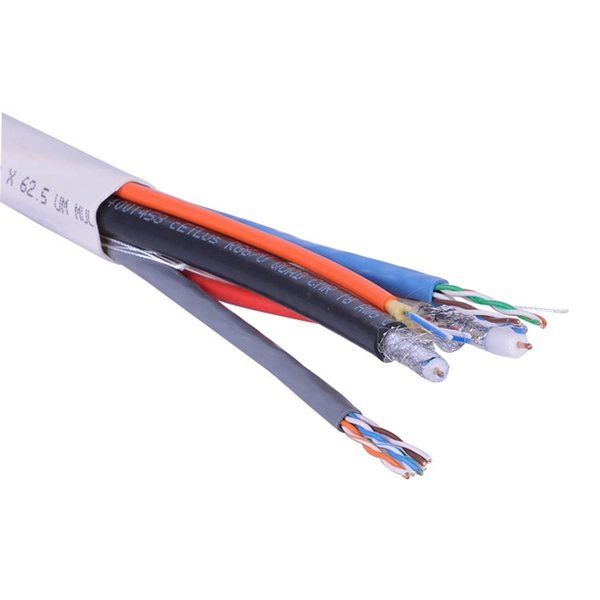
JEWELBLU OPTICALFIBER PATCH CORDS Technical Inquiry

Secondary distribution boxes do not require residual current devices RCDs

Residual current devices (RCDs) are no longer optional—they are mandatory on all circuits in new consumer unit installations. RCDs protect against electric shocks and reduce fire risks by detecting leakage currents. All circuits, including lighting and sockets, must be RCD-protected. RCDs are invaluable safety devices and are essential for anyone using or. Learn how residual current devices work, the difference between RCDs, RCBOs, and ELCBs, what 30 mA and 300 mA thresholds mean, what RCDs cannot protect against, and why long cable runs cause nuisance tripping. Understanding these regulations is essential, whether you're upgrading an old fuse. Where an RCD is required, it must have a tripping current that does not exceed 30 milliamps if electricity is supplied to the equipment through a socket outlet not exceeding 20 amps. RCDs can be non-portable or portable.

Secondary distribution boxes do not require residual current devices RCDs
HS437 Residual Current Devices Guideline

Make sure power cords do not run across pathways or ensure that they are run in cable ramps. Always use residual current devices (RCDs) with portable electrical equipment, including extension cables.

Technical note

This reference is intended for preliminary fiber optic patch cord research. Compatibility, link budgets, connector types, polish, installation methods, test limits and applicable standards must be verified for the specific project.

Still Have a Technical Question?

Use the inquiry form to describe a patch cord requirement, connector type or testing question.

Start an Inquiry