JEWELBLU OPTICALFIBER PATCH CORDS Technical Inquiry

The function of fiber optic pigtail panels

Fiber optic pigtail panels serve as the interface between bare fiber cables and network equipment, enabling organized, reliable, and easily accessible connections.Overview of Fiber Optic Pigtails

A fiber optic pigtail is a short optical fiber with a factory-terminated connector on one end and a bare fiber on the other end . The connector end plugs into adapters, patch panels, or optical devices, while the bare fiber end is fusion or mechanically spliced to incoming fiber cables. This design allows for high-quality, low-loss connections without the need for field-installed connectors, which are less reliable and more time-consuming to install .

Role of Pigtail Panels

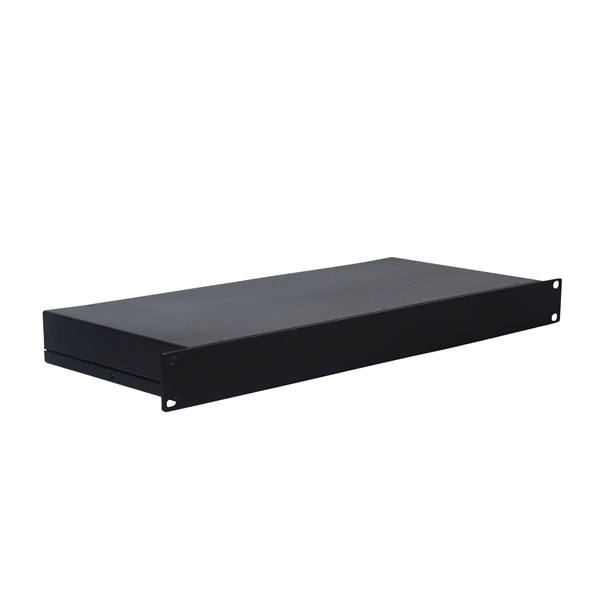
Fiber optic pigtail panels (or splice panels) are structured enclosures that organize and protect pigtails and their splices. Their main functions include:

  • Termination and Connectivity: Pigtail panels provide a connectorized interface for bare fibers, turning them into accessible ports for patching, testing, and maintenance .
  • Splice Management: The bare ends of pigtails are spliced to backbone or distribution fibers inside the panel, often using splice trays to protect and organize the splices .
  • Network Organization: Panels keep fibers neatly arranged, reducing stress and bending, which minimizes signal loss and improves long-term reliability .
  • Flexibility and Scalability: They allow easy addition or replacement of fibers without disrupting the entire network, supporting high-density environments like data centers and FTTH deployments .
  • Protection: Panels safeguard splices and connectors from environmental damage, dust, and mechanical stress, ensuring consistent optical performance .
Applications

Fiber optic pigtail panels are widely used in:

  • Optical Distribution Frames (ODFs) in telecom and data centers
  • Terminal or distribution boxes for FTTH and PON networks
  • Splice closures for outdoor or ruggedized installations
  • High-density patch panels in enterprise cabling systems By combining factory-quality connectors with field-spliced fibers, pigtail panels streamline installation, reduce labor costs, and maintain high network performance .
Key Advantages
  • Consistent optical performance due to factory-terminated connectors
  • Time and labor savings compared to field-terminated connectors
  • Ease of maintenance and testing through accessible ports
  • Support for multiple connector types (LC, SC, FC, ST) and polish types (UPC, APC) depending on network requirements In summary, fiber optic pigtail panels are essential for converting bare fiber cables into organized, connectorized ports, ensuring reliable, maintainable, and high-performance optical networks.
The function of fiber optic pigtail panels

What is Fiber Pigtail? A Complete Guide for Beginners

Fiber Pigtail vs. Fiber Patch Cord: What Is The difference?Fiber Pigtail TypesFiber Pigtail SplicingFinal WordsSome guys may need clarification about fiber optic pigtails and patch cords. What is the similarity, and what is the difference? First, the most critical difference is the fiber connector ber optic pigtails have only one terminated connector on one side but bare fibers on another side. In contrast, the patch cords have two or more pre-terminatedSee more on optcore cablingindfw

Beginner''s Guide: Fiber Pigtails & Their Importance - cabling

Fiber optic pigtails play a crucial role in these environments, as they are used in the termination of fiber optic cables. This facilitates

Related Video Reference

This video was associated with the source search result. Verify technical details against current product documentation and project requirements.

Technical note

This reference is intended for preliminary fiber optic patch cord research. Compatibility, link budgets, connector types, polish, installation methods, test limits and applicable standards must be verified for the specific project.

Still Have a Technical Question?

Use the inquiry form to describe a patch cord requirement, connector type or testing question.

Start an Inquiry