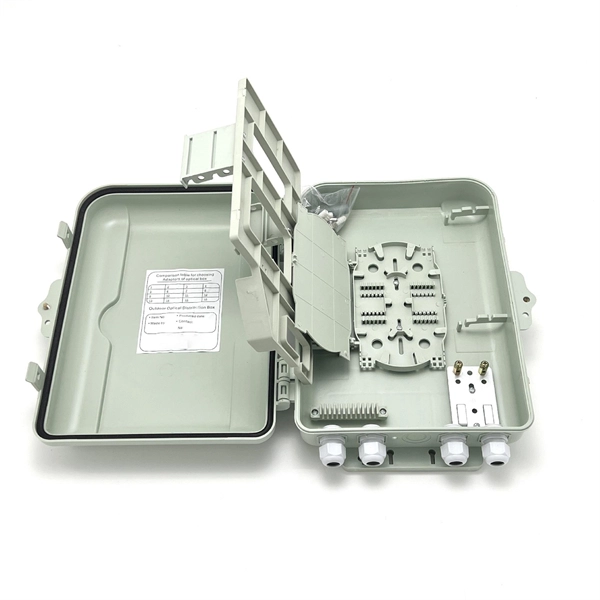
Fusion splicing joins two optical fibers end-to-end by melting their ends with heat to form a continuous, low-loss glass connection.Core Principle
The principle of fusion splicing involves permanently fusing the bare ends of two optical fibers using controlled heat, typically from an electric arc, to create a continuous glass path for light transmission. The fibers are first stripped of their protective coatings, cleaned, and precisely cleaved to produce flat, smooth end faces. These prepared ends are then aligned and brought into close proximity, often with a small gap between them, before heat is applied to melt the glass surfaces. Once molten, the fibers are pushed together, and surface tension helps form a seamless joint, minimizing scattering and reflection of light .
Alignment and Accuracy
High-quality fusion splicing requires precise alignment of the fiber cores, especially for single-mode fibers where even slight misalignment can cause significant signal loss. Modern fusion splicers use optical core alignment systems with cameras and motors to adjust the fibers in multiple axes, ensuring submicron accuracy. For multimode fibers, alignment is less critical due to the larger core size, but matching fiber parameters is still important to reduce transition losses .
Heat Sources
The heat required to melt the fiber ends can be generated by various methods:
- Electric arc (most common)
- CO₂ laser
- Gas flame
- Electrically heated filament The choice of heat source depends on the splicing equipment and application, but the goal is always to melt the fiber tips just enough to fuse them without introducing bubbles or defects .
Post-Splicing
After fusion, the splice is typically protected with a heat-shrink sleeve to shield it from mechanical stress and environmental factors. A properly executed fusion splice achieves extremely low insertion loss, often below 0.05 dB for single-mode fibers, and maintains the mechanical strength of the fiber nearly equal to that of an intact fiber .
Summary
In essence, the principle of optical fiber fusion splicing is to create a permanent, low-loss, and mechanically strong connection by melting and fusing the fiber ends, with precise core alignment and controlled heating being critical to achieving optimal performance. This method is widely used in telecommunications, data centers, and high-performance optical networks due to its reliability and minimal signal degradation.