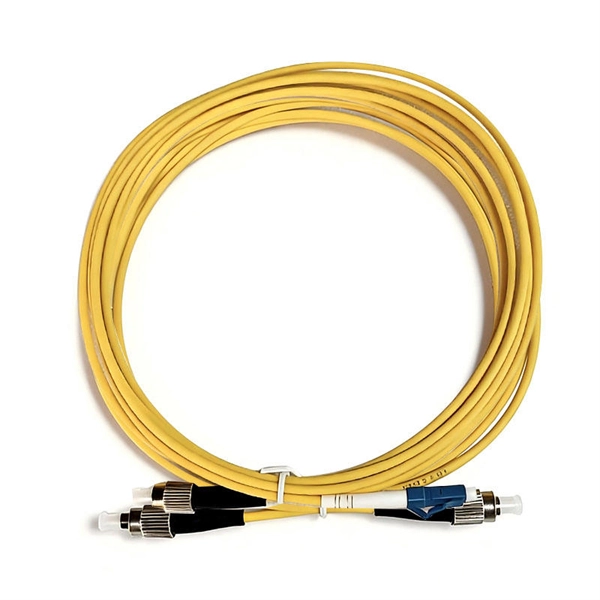
Fiber optic communication offers higher bandwidth, lower latency, and greater reliability, while microwave communication provides flexible, cost-effective deployment, especially in challenging terrains.Key Differences
Fiber Optic Communication uses thin strands of glass or plastic to transmit data as light pulses. It provides high bandwidth, low signal attenuation, and immunity to electromagnetic interference, making it ideal for long-distance, high-capacity links. Fiber is highly secure and reliable, but installation can be costly and time-consuming, particularly in difficult terrains . Microwave Communication transmits data wirelessly using high-frequency radio waves between two fixed locations with a clear Line of Sight (LOS). It is faster to deploy and less expensive than fiber, especially in areas where laying cables is impractical. However, microwave links are sensitive to weather conditions, interference, and spectrum regulations, and generally offer lower bandwidth compared to fiber .
FeatureFiber OpticMicrowaveBandwidthVery highModerate, improving with V-Band/E-BandLatencyLowHigher than fiberReliabilityVery high, immune to EMISensitive to weather and interferenceDeploymentRequires civil works, slowerRapid, flexible, minimal civil worksTerrainChallenging to install in rough terrainEffective in difficult terrain with LOSSecurityHighModerate, can be interceptedCostHigher upfrontLower upfront, cost-effective for short linksIntegration: RF/Microwave Over Fiber
A hybrid approach, RF over fiber or microwave over fiber, allows microwave or radio frequency signals to be transmitted through optical fibers. This involves modulating a light wave with the RF/microwave signal, sending it through fiber, and then converting it back to electrical signals at the receiver. This method combines the high bandwidth and low loss of fiber with the flexibility of microwave transmission, enabling long-distance wireless signal distribution without significant attenuation or distortion .
Applications
- Fiber Optic: Core backbone networks, high-capacity point-to-point links, data centers, and urban backhaul.
- Microwave: Rural backhaul, temporary or rapidly deployed links, mobile network site connections, and areas where fiber installation is impractical.
- RF over Fiber: Distributed antenna systems, 5G networks, and scenarios requiring integration of wireless and fiber networks.
Conclusion
Both technologies have complementary roles. Fiber optics is the preferred choice for high-speed, long-distance, and secure communication, while microwave links offer cost-effective, rapid deployment in challenging terrains. Hybrid solutions like RF over fiber leverage the strengths of both, providing scalable, high-performance communication networks .