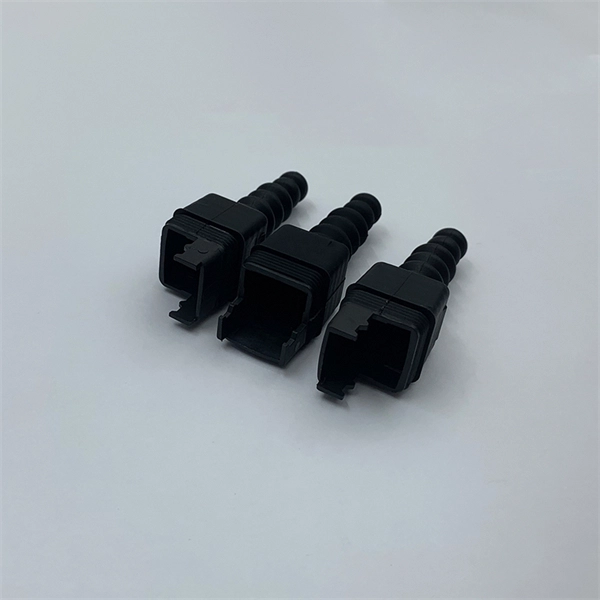
High-speed optical cables include single-mode, multimode, armored, ribbon, and specialized cables designed for long-distance, high-bandwidth, and challenging environments.Core Types
Single-Mode Fiber (SMF) Single-mode cables have a small core diameter, typically around 9 microns, allowing only one light mode to propagate. This design supports long-distance, high-speed data transmission with minimal signal loss, making it ideal for telecommunications, metro networks, and high-performance data centers . Multimode Fiber (MMF) Multimode cables have larger cores (50–62.5 microns) that allow multiple light modes. They are suitable for shorter distances such as within buildings or campuses. Variants like OM3, OM4, and OM5 are optimized for high-bandwidth applications, including 40G and 100G Ethernet .
Construction Types
Loose Tube Fiber Designed for outdoor use, loose tube cables protect fibers in a gel-filled or dry tube, allowing flexibility and resistance to environmental stress like moisture and temperature changes . Tight-Buffered Fiber Common in indoor installations, tight-buffered cables have fibers coated with a protective layer, making them easier to handle and terminate in patch panels or equipment rooms . Armored Fiber Cables These cables include a protective metal or steel layer around the fiber, providing ruggedized protection against physical damage, ideal for industrial or high-traffic areas . Ribbon Fiber Cables Fibers are arranged in flat ribbons, typically 12 fibers per ribbon, enabling mass fusion splicing for high-count cables (864+ fibers), reducing labor and installation time in large-scale networks . Micro Cables (Air-Blown Fiber) Ultra-slim cables designed to be blown into micro-ducts using compressed air, allowing scalable fiber deployment without new trenching .
Specialized Applications
ADSS (All-Dielectric Self-Supporting) Used on power transmission lines, ADSS cables contain no metallic components, preventing electrical interference while providing high-speed fiber connectivity . OPGW (Optical Ground Wire) Replaces standard ground wires on high-voltage towers, combining lightning protection with a fiber backbone for high-speed data transmission . FTTH Bow-Type Drop Cable (G.657.A2 BIF) Designed for space-constrained last-mile deployments, these cables can bend sharply without signal loss, ideal for apartment or urban installations . Tactical Fiber Cables Built for rapid deployment and repeated handling, these cables use specialized jackets for military, field, or broadcast applications .
Key Considerations
When selecting high-speed optical cables, factors include:
- Transmission distance and bandwidth requirements
- Environmental conditions (indoor, outdoor, high-voltage, or ruggedized)
- Core type and mode (single-mode for long distances, multimode for shorter runs)
- Connector compatibility and installation ease
- Durability and protection (armored or tactical cables for high-risk areas) High-speed optical cables are essential for modern networks, offering low latency, high bandwidth, and minimal signal loss, making them superior to traditional copper cabling for both enterprise and telecommunications applications .